

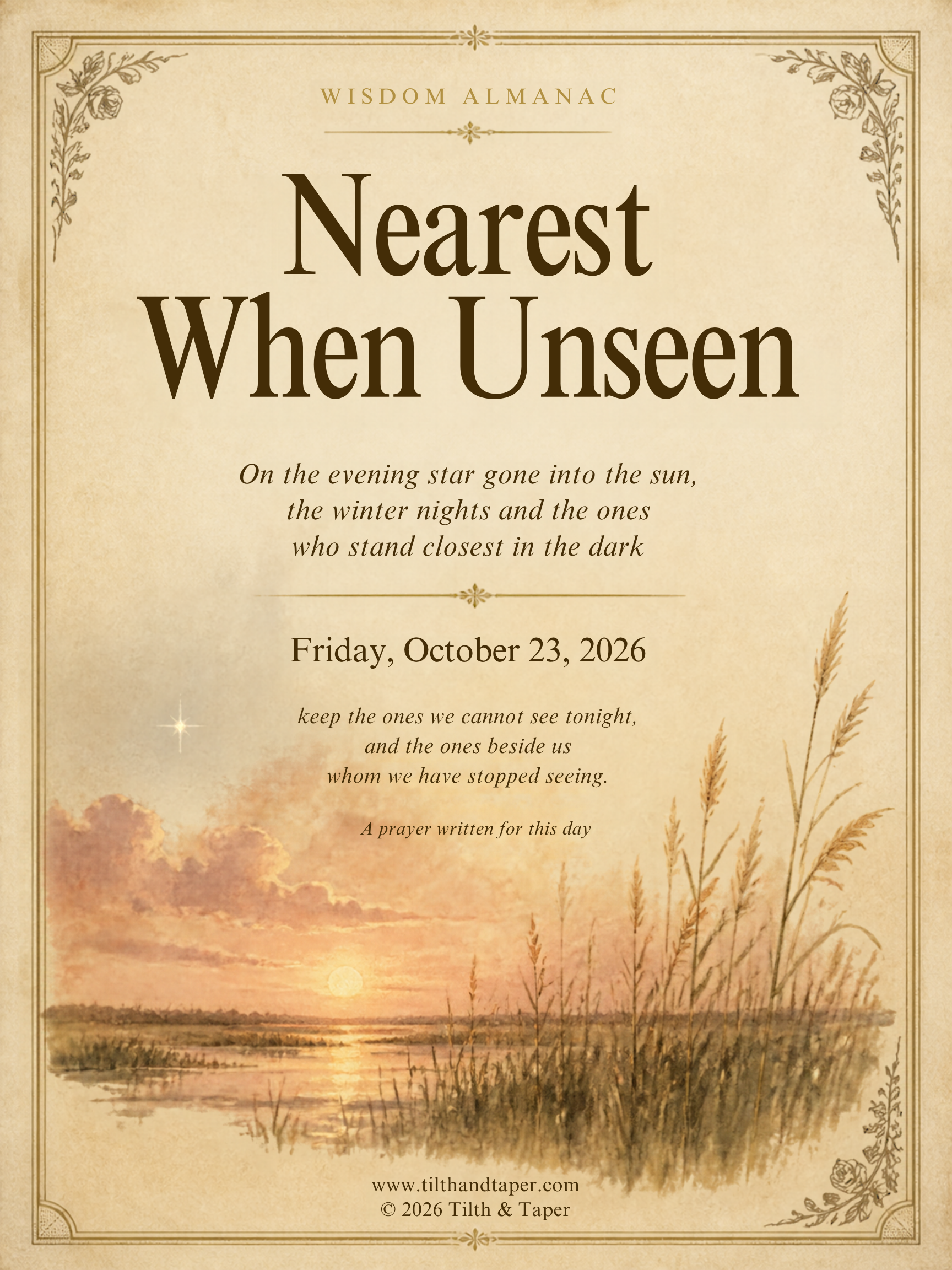
On the evening star gone into the sun, the winter nights and the ones who stand closest in the dark
All through the late summer the evening star hung over the west after supper, so bright that people who never look up stopped in grocery store parking lots to point at her, and by the last days of September she had come into her full brilliance. Since then she has been slipping a little lower into the sunset every evening, a little closer to the light each time, until this week there was nothing at dusk but the gold where she used to be. A little before midnight tonight Venus passes between us and the sun. It is Friday, her own day in the old order of the planets. Before dawn the sun crossed into Scorpio, within minutes of the hour the Chinese almanac opens Frost's Descent. The moon is a few nights from full and the daylight is going by nearly two minutes a day. Tomorrow, by the old Icelandic count, winter begins.
Morning
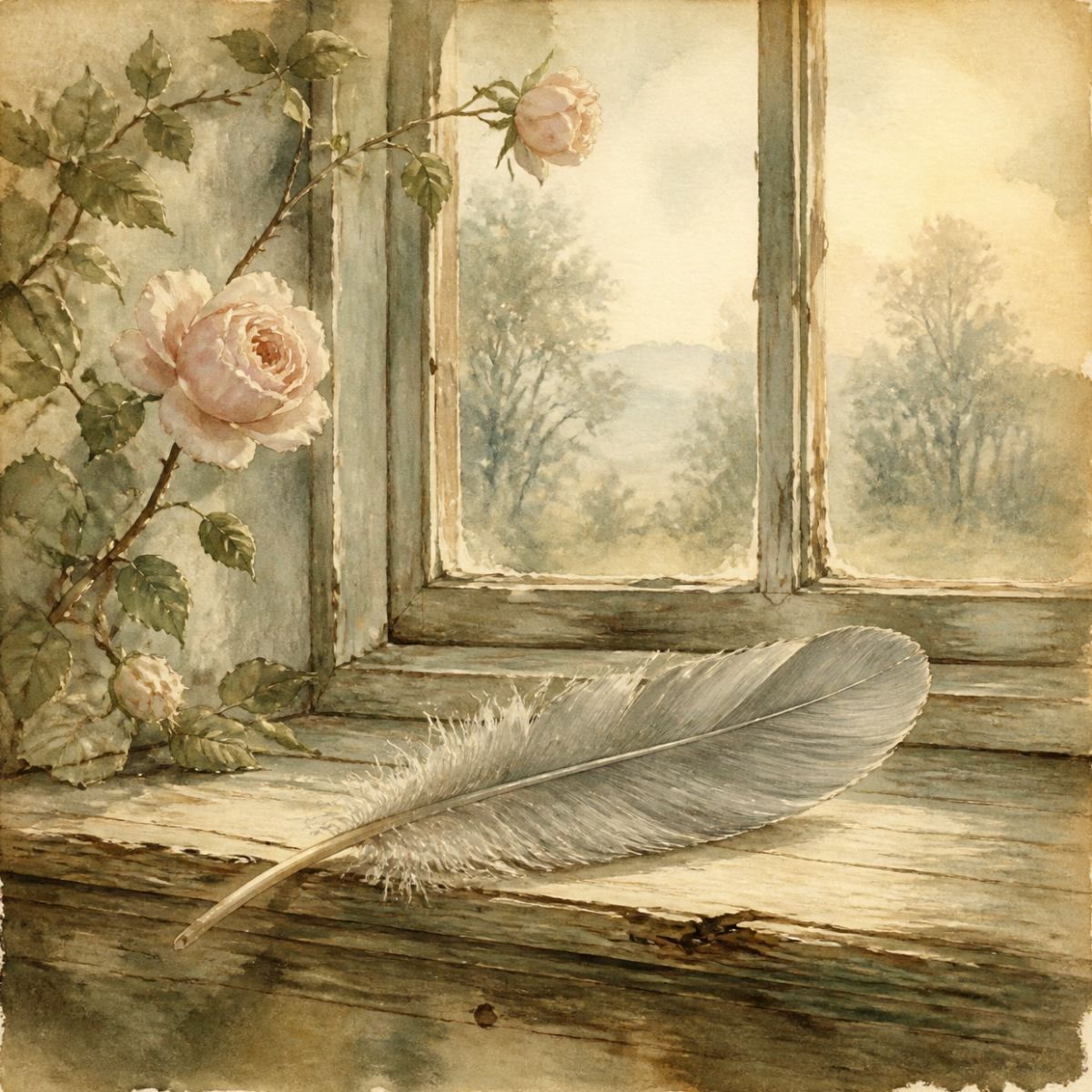
When the evening star goes down into the sun this way, she is nearer to us tonight than at any other point in her whole round, some twenty-five million miles away, closer than any other planet ever comes to this one, and she cannot be seen at all, because she is standing in the full fire of the sun with her lit face turned away from us. The night she comes nearest is the night she disappears. It is only geometry, the inner planet overtaking us on the inside track, and still it catches on something in me the way a burr catches on a sleeve, and I have carried it around the kitchen all week without knowing yet what it wants.
People who have read skies for their living, the shrimper and the old woman at the window, would have something to say about that. In the Western churches this morning's Gospel has Jesus chiding a crowd for exactly that gift turned the wrong way round: you see a cloud rising in the west and you say rain is coming, and it comes; you feel the south wind and you say it will be hot, and it is; you can read the face of the earth and the sky, so why can you not read the time you are standing in? I have always liked that he never doubts their weather sense. He only wonders why they stop there.
The sky has a practical word too, for whatever it is worth to you. Mercury stands still tomorrow and begins a backward walk through Scorpio that runs until the middle of November, which makes today a good one for sending the letter that has sat in drafts all week and signing what needs signing. Venus has been moving backward since early October and slips back into Libra on Sunday, a poor week for deciding the future of a love and a fair one for looking back over what a love has already been.
The west is where the evening star went down, and in many medicine wheel teachings the west is where autumn sits, the direction of the setting sun and of turning inward to look. If it suits you, step outside before the house wakes and take three breaths of the morning as it is. The Essene morning communion for Friday belongs to the Angel of Air, the breath that goes in and out of every living thing without asking to be noticed, and late October hands it over with the first real coolness in it, salt marsh in it and somebody's woodsmoke from two lots over. Steiner's verse for this week, the twenty-ninth in the Calendar of the Soul, asks the soul to kindle its own light of thinking from within and to carry it out of summer into the calm of autumn and on toward winter's hope. A light lit on the far side, where no one standing outside can see it burn.
What went dim in your life this autumn, and how sure are you that it went far?
Midday
By noon the air that came in so cool at the door has gone soft again, the way it does on this coast in late October, and the sun on the back of the hand still has some summer in it. The Chinese almanac names this fortnight Frost's Descent, and in the country where those names were made the first white mornings come about now. Here the first frost usually waits until December. The body knows the turn before the thermometer will admit it: the drying air on the lips and an appetite leaning toward pears and roasted roots. The Essene contemplation for Friday noon is peace with the body, which on a day like this may be no grander than eating lunch sitting down, both hands around the bowl, and noticing that your breathing has kept on all morning without any help from you. In the Eastern churches this is the day of James the brother of the Lord, and an early chronicler remembered him as praying on his knees so long that they grew hard as a camel's. The body keeps the record of what we kneel to, whether we meant it to or not.
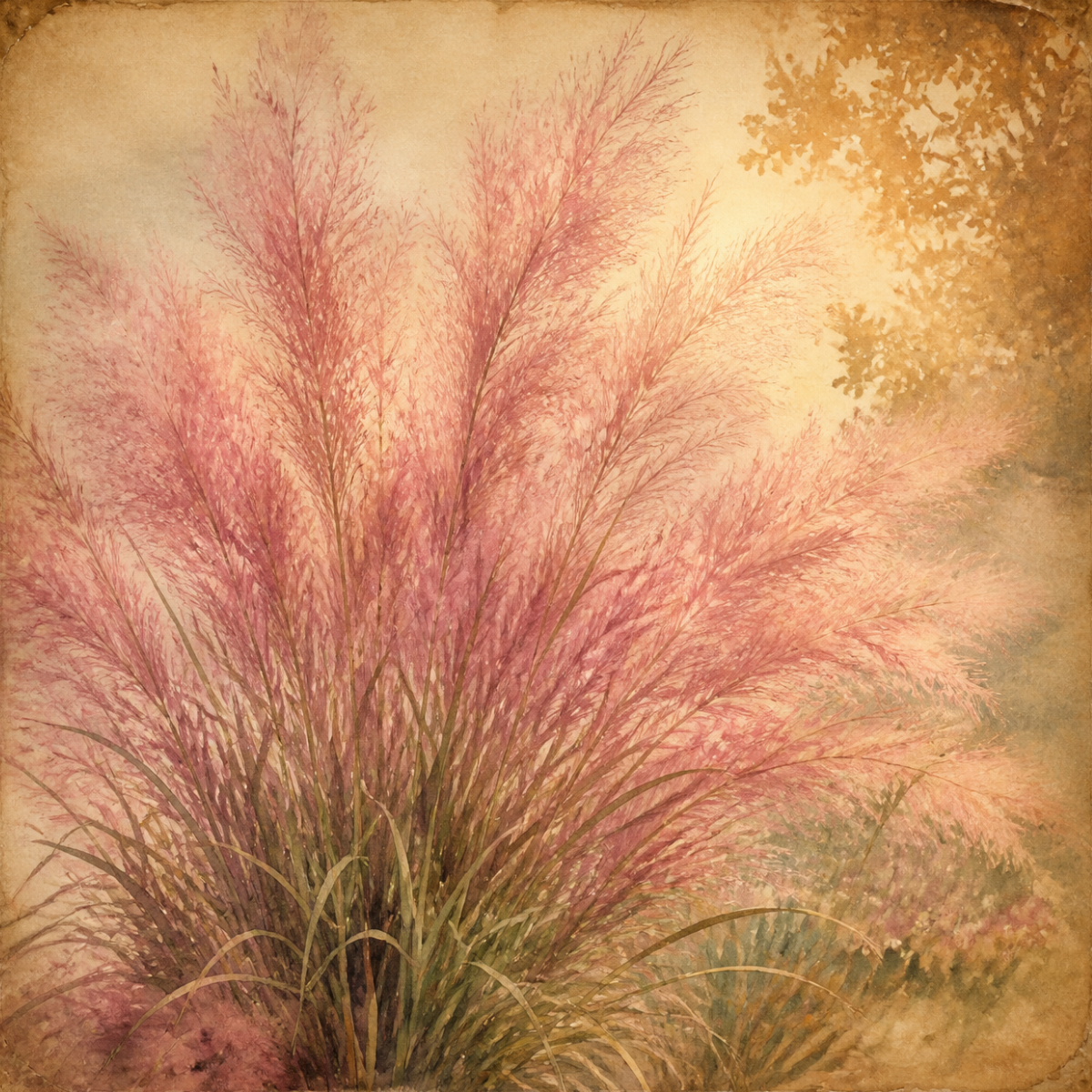
If you have ten minutes, go and find a stand of pink muhly grass. It is in full plume along the roadsides and in front yards right now, and from across the street it is a pink haze, a low cloud of color caught in the grass with the light coming through it. Walk right up to it and the cloud is gone. What is left is a fine tangle of purple-brown threads, each flower so small it hardly counts, and the color you saw from the road is nowhere you can put a finger on. Some things can only be seen from a little way off. The evening star is doing the opposite thing tonight.
It is possible to sit across a supper table from someone for twenty years and not see them once. The ones who stand nearest are so often the ones we have stopped looking at, because they are always there and because looking would mean being looked at back. Nobody decides to stop seeing a husband or a grown child. It happens a little lower every evening, until one night there is only the gold where they were. Sometime today you might look at one near person the way you would look at a stranger you hoped to know, ask them one real question and then wait for the whole answer.
Friday came into English from Frigg, the lady of the Germanic household, and up in the North stood Freyja beside her, and scholars have argued for well over a century over whether the two were once the same. Snorri, setting the old stories down in the thirteenth century, tells that when Freyja's husband went away on long travels she wept for him, and her tears were red gold. So the North gave the lady of this day a grief for someone gone out of sight, and made treasure of it. Venus is the old planet of the garden too, and the moon waxes in Pisces until midafternoon, which by the planting signs is a fair window for leafy things. If a fall bed is waiting, set out the kale and the collards before the moon turns and leave the bulbs for the waning days.
Who is standing nearest to you that you have not truly looked at this week, and what would you see if you did?
Evening
The gold goes off the marsh grass early now, and by six the west has turned the faded rose of an old quilt, and the Sabbath candles are lit at 6:19 where I am. Friday evening is the entering-in, the work set down unfinished on purpose and the table laid a little better than it needs to be. This week's portion, Lech Lecha, sends Abram out from everything he knew toward a land he would be shown, and an old reading in the Zohar hears the Hebrew as go to yourself, as if the longest road in the story ran to the nearest place there is.
Up in the North, tomorrow was the first day of winter. The old Icelandic year had two halves, summer and winter. In the Icelandic calendar winter still comes in on the Saturday that falls between the twenty-first and the twenty-seventh of October, with the winter nights gathered around it. The sagas, written down in a Christian Iceland two and three hundred years after the fact, remember these as nights of feasting at the year's turning. In the saga of Gísli a man named Þorgrímr holds an autumn feast at the winter nights to welcome winter in and makes an offering to Freyr, and Gísli's dark dreams begin after it. Other sagas speak of the dísablót at this season, the offering to the dísir, female guardians bound to a family and its fortunes, unseen and close at hand. We do not know much about what was done at that table. The sources are late and sparing, and anyone who offers you the full rite is selling something.
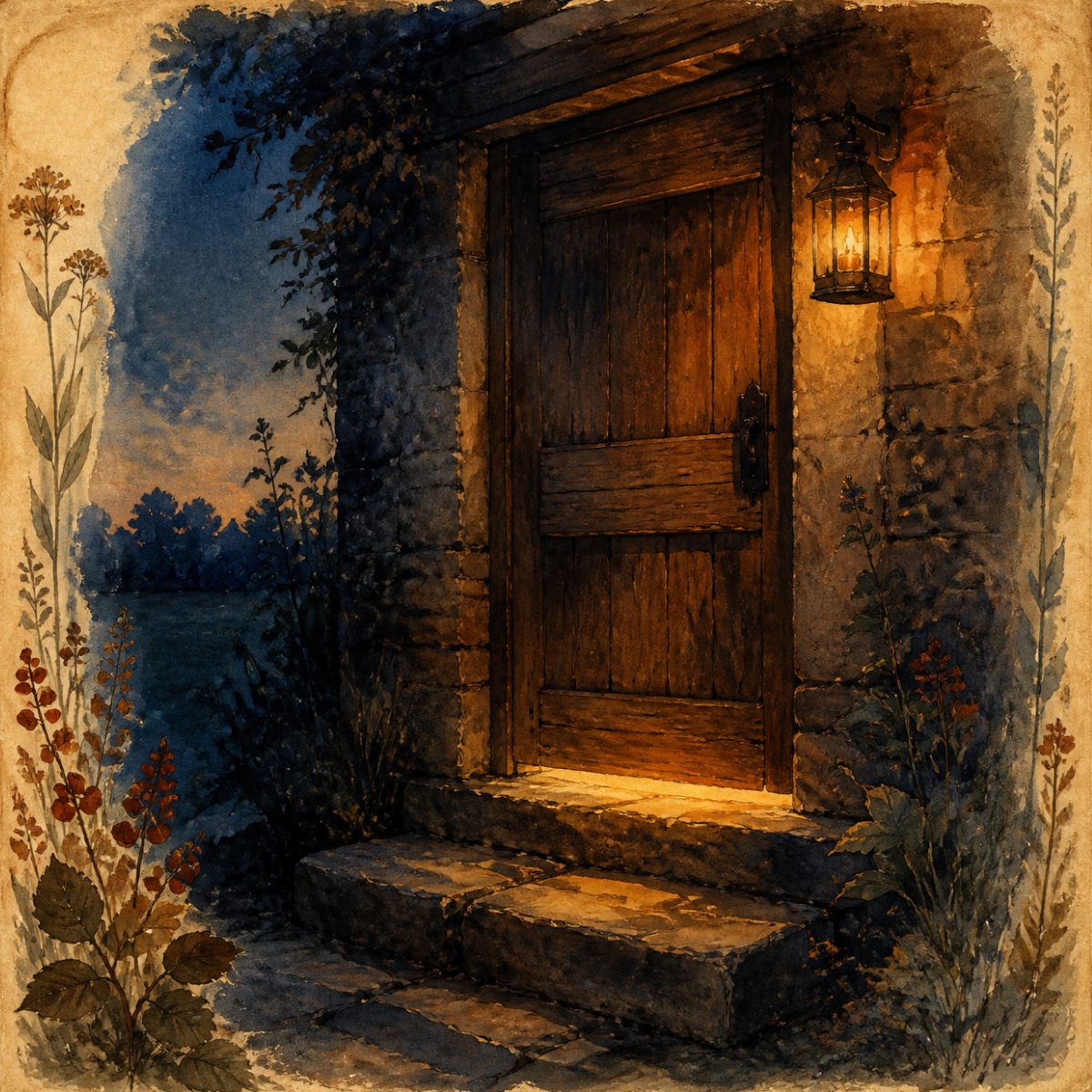
We do have one cold and cranky witness. Around the year 1019 the Icelandic poet Sigvatr Þórðarson was sent east into Sweden on a king's errand in the dark of autumn, and he made verses about being turned away from farm after farm. At one house he was told to come no farther in, because they were holding the offering to the elves and feared Odin's anger. He went back out into the weather and put it in a poem, and a poet's grievance has outlived every offering made in that valley. I think about the shut door more than the poet. Whatever was being honored inside was so near the household that a stranger could not cross the sill, and so hidden that all he could tell us was that the door stayed closed.
You might gather your own people tonight around something simple and warm. On this coast the oyster roasts have started up again with the shellfish season, the clusters steamed under wet burlap on a sheet of iron over the fire and shoveled out onto a plank table, everyone standing with a knife and an old glove while the crackers and the hot sauce go down the line. People have gathered around oyster fires on these marsh islands for a very long time. The great shell rings along the Carolina and Georgia coast, some of them raised between three and five thousand years ago, are made mostly of oyster shell, and some archaeologists read them as the leavings of feasts held in a circle, year after year, by people whose names are gone. Whatever you leave on your table tonight, a great many hands have stood around a fire like it before yours.
When the house goes still, take the old order of the night with you to bed. In many communities the prayer said at the bed begins by forgiving anyone who did harm that day, by word or by deed, on purpose or by accident, before a single thing of one's own is weighed. Some leave it aside on the Sabbath itself, as if the day of rest did the forgiving. Either way you can keep its order, setting down what was done to you first, because no one sees their own day clearly through a grudge, and only then looking over what you did, gently and without passing sentence. The Essene evening communion for Friday turns toward the heavenly Source of the invisible powers, the keeper of everything no eye is on. Near midnight the evening star crosses over, and by the end of the first week of November, if the morning is clear, she will be up in the east before the sun, the same star under another name, looking back across the dark we spent without her.
What did someone do today that you are ready to set down before you weigh your own day?
Long after the last oyster fire on this coast has gone out, what of tonight's table do you hope is still in the ground?
Holy One, keeper of what is hidden,
you who keep the evening star
while she passes through the fire,
keep the ones we cannot see tonight,
and the ones beside us
whom we have stopped seeing.
Turn our eyes the long way round,
and when the light comes back on the far side,
let us be up early enough to know it.
A prayer written for this day
Members of The Living Book receive this day as a 5-page printable to write in by hand: the day's reading with its planner, journal and almanac pages. This October that comes to 155 pages of a living book kept in your own hand. If you are already a member, today's pages are waiting at the button below.